8 Passive Income Jobs Beginners Can Actually Start
Passive doesn’t mean no work. It means the work happens once, and the money keeps showing up after that — you set something up, then you leave it alone. That’s the whole definition, and half the internet has managed to make it sound complicated.
These are eight passive income jobs worth an actual beginner’s time in 2026. I checked the real numbers behind each one, skipped the marketing copy, and wrote down how you’d start each this week.
What actually makes something “passive”
Quick way to tell: if it needs you to show up every day — posting, replying, restocking — it’s a side hustle. A good one, maybe, but not passive. If you’re in college and finding ways to earn, I actually wrote a whole post on that. side hustles for college students that actually pay. Lets get back to it , passive income is the kind that keeps paying you on a random Tuesday when you haven’t thought about it in weeks.
Two of the eight below are investing, where your money does the work instead of your time. The other six are things you build once with skill or effort, then let run on their own. Both count as passive income. They just ask something different of you upfront, so it’s worth knowing which one you’re actually signing up for.
(I have three separate budgeting apps on my phone and genuinely use none of them. So — no judgment either way on which of these you pick.)
1. Let an app invest your money for you
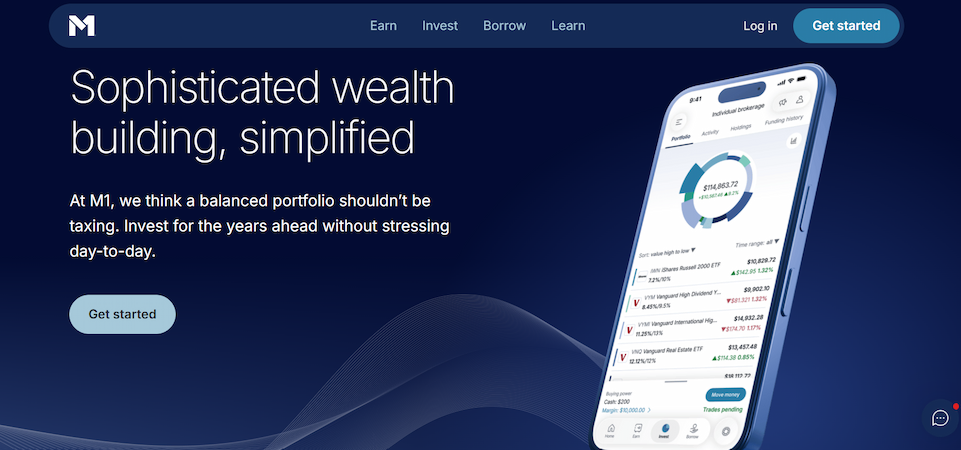
M1 Finance builds you a mini portfolio of stocks or funds, called a “pie,” then automatically buys more, rebalances it, and reinvests any dividends. You’re not picking individual stocks — you’re picking a percentage split once, and the app does the rest from there.
To actually get going: open an account, choose one of the pre-built beginner pies, set up a weekly or monthly auto-deposit, and resist the urge to check it daily.
There’s no trading fee, and M1’s $3 monthly charge disappears once you’ve got $10,000 in the account. One quirk worth knowing — trades only go through twice a day at set windows, not instantly, so it isn’t built for anyone trying to time the market.
Not a fit if you want hands-on control over trades. This one’s for people happy to set an allocation and forget about it.
2. Invest in real estate without buying a house
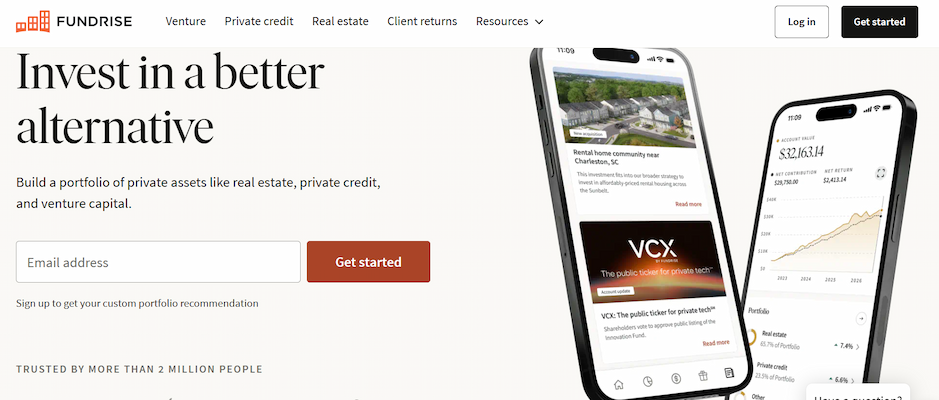
Fundrise pools your money with other people’s to buy actual property — apartment buildings, commercial real estate — and pays you a cut of the rent and any appreciation. No mortgage, no tenant calling you about a broken pipe.
Fundrise’s starter plan lets you begin with around $10. You pick a plan, deposit what feels comfortable, and the payouts land automatically each quarter without any input from you.
Fees run roughly 0.85–1% a year. The part worth actually planning around: this isn’t money you can pull out quickly. Fundrise itself recommends a five-year-plus horizon, and per its own disclosures, some of its funds lost money in 2023 before recovering — a fair reminder that “real estate” here doesn’t mean “guaranteed.”
Probably skip this one if it’s money you might need next year. Think of it as a long-term slice of savings, not somewhere to park an emergency fund.
3. Write a short ebook and let it sell itself
Amazon KDP lets anyone upload a book and sell it — no publisher, no agent, no waiting around for approval. Once it’s live, it sits there earning you a little every time someone buys a copy.
Getting one live is simpler than it sounds: write something short and useful (a guide, not a novel — most beginners overestimate how long this needs to be), format it, and upload it through KDP, which costs nothing.
Price it between $2.99 and $9.99 and you keep 70% of each sale, minus a small fee tied to file size — a $4.99 book usually nets somewhere around $3.30 to $3.45. Run your own file through KDP’s calculator for the exact number before publishing.
Wouldn’t bother with this one if you need money fast. Most first books sell slowly out of the gate — this pays off later, not this month.
4. Design a t-shirt and never touch inventory
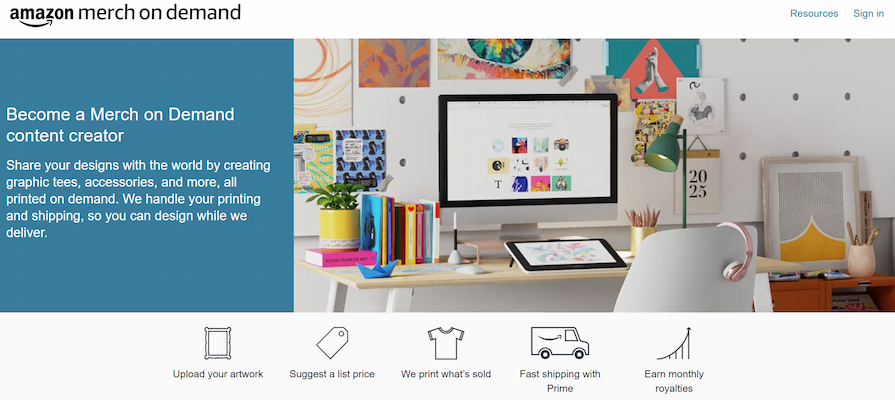
You make one design, Amazon Merch puts it on a t-shirt (or mug, or hoodie), and handles printing, shipping, and every customer question that comes with it. Your only job is the design.
Getting started means applying for a Merch account first — it’s free, but approval isn’t instant the way opening an Etsy shop is. Once you’re in, you upload a design and it’s live.
Per the June 2026 payout restructure, a $19.99 shirt earns roughly $2.44 if the buyer found it through Amazon’s own search, or close to double that — around $4.88 — if you sent that buyer there yourself, say from Pinterest.
Wouldn’t recommend this if you’re relying entirely on Amazon’s own search to find your design. This one specifically rewards people who bring their own audience.
5. Sell your phone photos as stock images
If you already take decent photos, Adobe Stock will pay you every time someone licenses one — a small check for a photo you took once, potentially for years afterward.
Setup is genuinely simple: create a free contributor account, upload your sharpest, well-lit shots, and let them sit in the library while you go about your life.
Per Adobe’s contributor terms, photos earn a 33% royalty, which typically lands somewhere between $0.33 and $0.99 per download depending on the buyer’s plan. Small per photo — this only adds up with real volume, so a handful of images won’t move much. A library of a hundred-plus is where it starts to matter.
Hold off on this one if you’ve only got a few photos worth uploading. Come back once you’ve actually built up a collection.
6. Build a template once, sell it forever
This is the most literal version of “passive income job” on this list. Design something once — a budgeting spreadsheet, a Notion planner, a set of templates — list it for sale, and every sale after that needs zero extra work from you.
Start with a problem you already know how to solve (meal planning, budgeting, whatever you’re genuinely good at), build it in something free like Canva or Notion, and list it on Etsy or Gumroad. Only got your phone? no problem I’ve written about that too in earn Money From Your Phone .
Ignore anyone promising five figures a month from one template. Actual Etsy seller data points to something far more believable — closer to $100–$500 a month once you’re established, growing as you add products and reviews stack up.
Not the move if you need cash this week. New listings take time to get found — this is a slow build, not a quick flip.
7. Rent out the space you’re not using
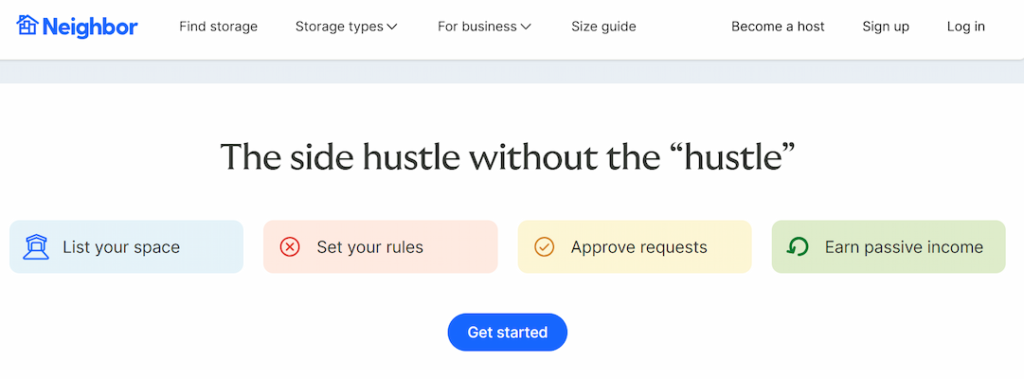
Got a garage, a driveway, or a spare room sitting empty? Neighbor.com connects you with people nearby who’ll pay to store their belongings or park a car there.
Listing is free — add a few photos, set your price, and once someone books it, the money shows up each month without any ongoing effort from you.
Hosts typically earn $50–$600 a month depending on the space and location, per Neighbor’s own host data. The platform takes about 4.9% plus $0.30 per booking, and covers hosts with up to $1,000,000 in liability protection.
Doesn’t apply if you don’t actually have spare space. This one needs something you already own sitting idle — not a start-from-nothing option.
8. Write about one thing and link to what you recommend
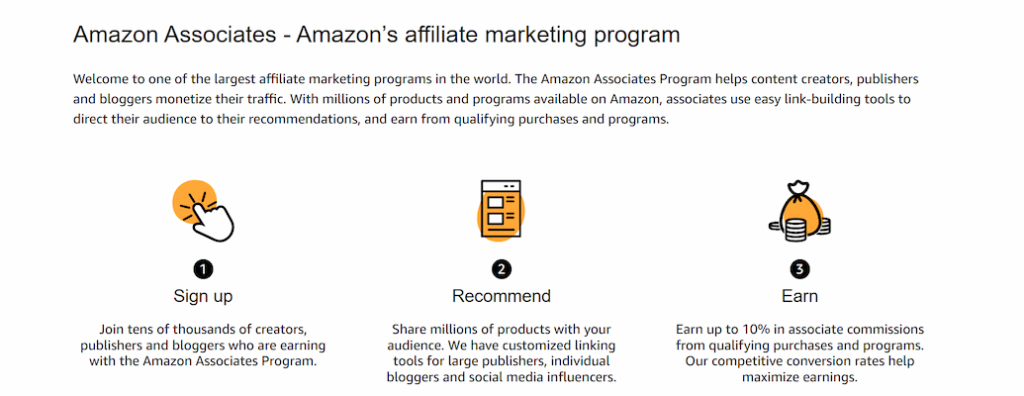
Build content — a blog, a Pinterest board, a set of guides — around one topic you genuinely know something about, and link to relevant products through a program like Amazon Associates. When someone buys through your link, you earn a cut.
The move here is narrower than it sounds: pick one topic, not five, write content that actually helps, sign up for the affiliate program, and place links where they naturally belong.
Amazon’s commission rates run from around 1% (electronics, groceries) up to 10% (beauty, handmade goods), with most everyday categories sitting closer to the low end. This is the slowest one here to pay off — expect months before it compounds into anything real, not days.
Save this one for later if you need income this month. It’s the longest game on the list, and it only pays off if you actually stick to one topic.
What I’d actually do first
If I were starting today, I wouldn’t try all eight at once. I’d look at what I already have — spare time, a decent camera, an empty garage, whatever it is — and pick the one that matches it. Then I’d give it six months before deciding whether it’s “working,” because none of these show real results in week two, no matter what an app’s onboarding screen implies.
Most people don’t fail at passive income because they picked the wrong one. They fail because they switch after three weeks and never actually find out what the first one could’ve done.
FAQ
What’s the most realistic passive income job for a total beginner? A template or an ebook — both cost close to nothing to start, and neither requires a special skill beyond knowing your own topic well.
How much money do I need to start earning passive income? Some of these start around $10 (Fundrise) or completely free (KDP, Merch, Adobe Stock, digital products). Renting space needs something you already own, not extra cash. You don’t need thousands to begin.
Are apps like M1 Finance and Fundrise actually safe to use? Yes — both are regulated financial platforms with publicly listed fees, a very different category from anything promising guaranteed daily payouts with no clear business model behind it.
How long before passive income actually feels passive? Months, not days, across all eight of these. Anyone telling you otherwise is selling something.
Is passive income taxable? Yes, in most places — royalties, dividends, and marketplace earnings all count as income, though the exact rules depend on where you live. This isn’t tax advice; check with an actual accountant for your specific situation.
Pick one. Set it up. Then leave it alone longer than you think you should — that’s the whole trick.